
Shanghai · City culture
A river city of exchange and reinvention
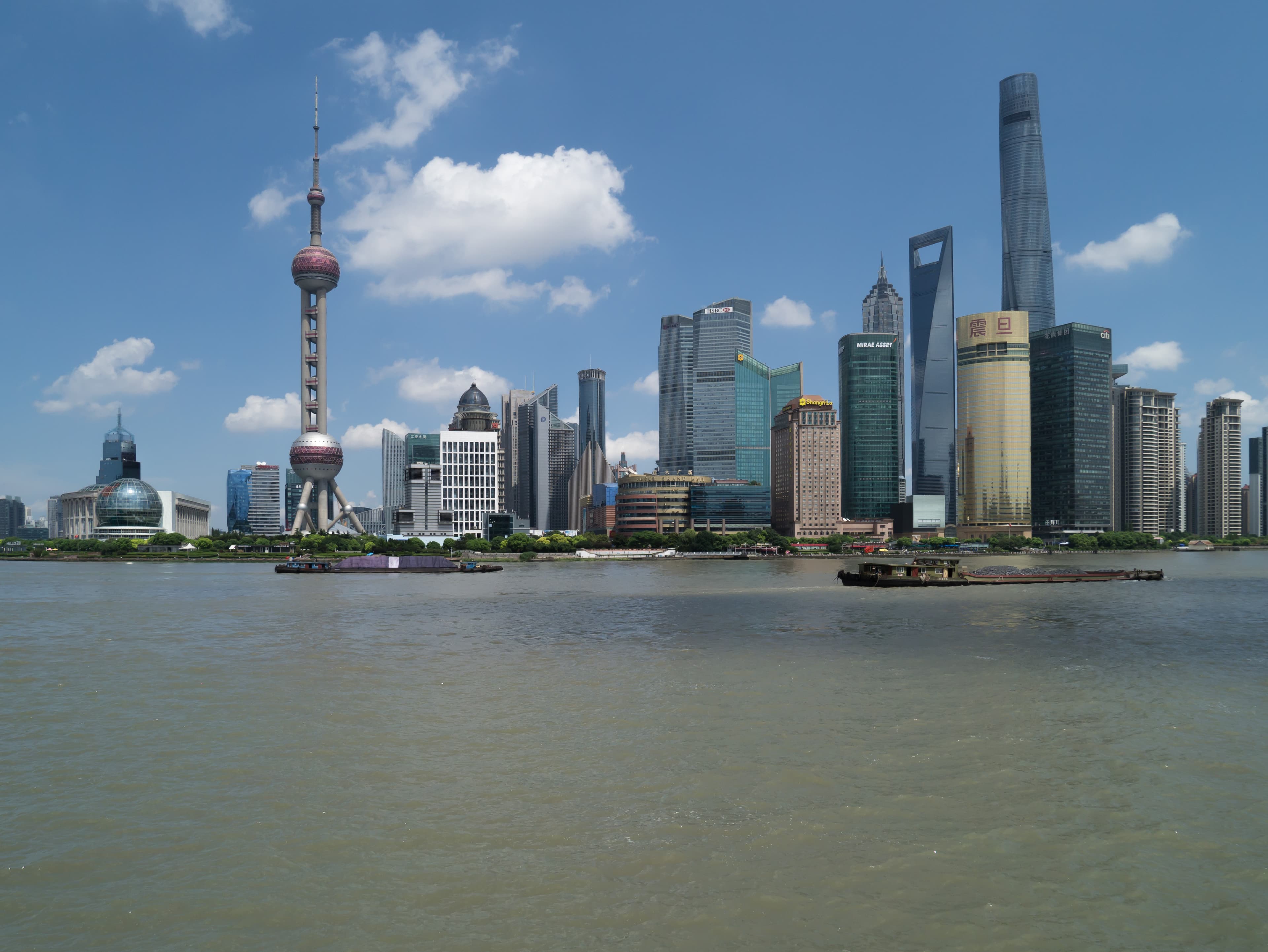
Shanghai’s identity can be read across the Huangpu River. The Bund’s former financial and trading buildings face the towers of Pudong, while ferries continue an everyday connection between the two banks. Different periods share the same waterfront view.
The old town and Yu Garden reveal another scale of the city: enclosed landscapes, shops and dense street life. Collections at Shanghai Museum East extend the picture through the materials and visual traditions of Chinese art, placing modern urban change beside a much longer cultural history.
Historic streets, garden spaces and the Huangpu
The Bund and East Nanjing Road reveal the city’s commercial character. Yu Garden and the old town introduce garden design and a different streetscape. Across the river, the Lujiazui waterfront, Shanghai Tower and Shanghai Museum East show contrasting expressions of contemporary Shanghai; the public ferry makes the water itself part of the city.
Inside this city guide.
These chapters introduce each place independently, with cultural background and details to look for on the ground. Further chapters explore more neighbourhoods, cultural places and landscapes through collected travel notebooks.
Shanghai · Riverfront & historic architecture
The Bund
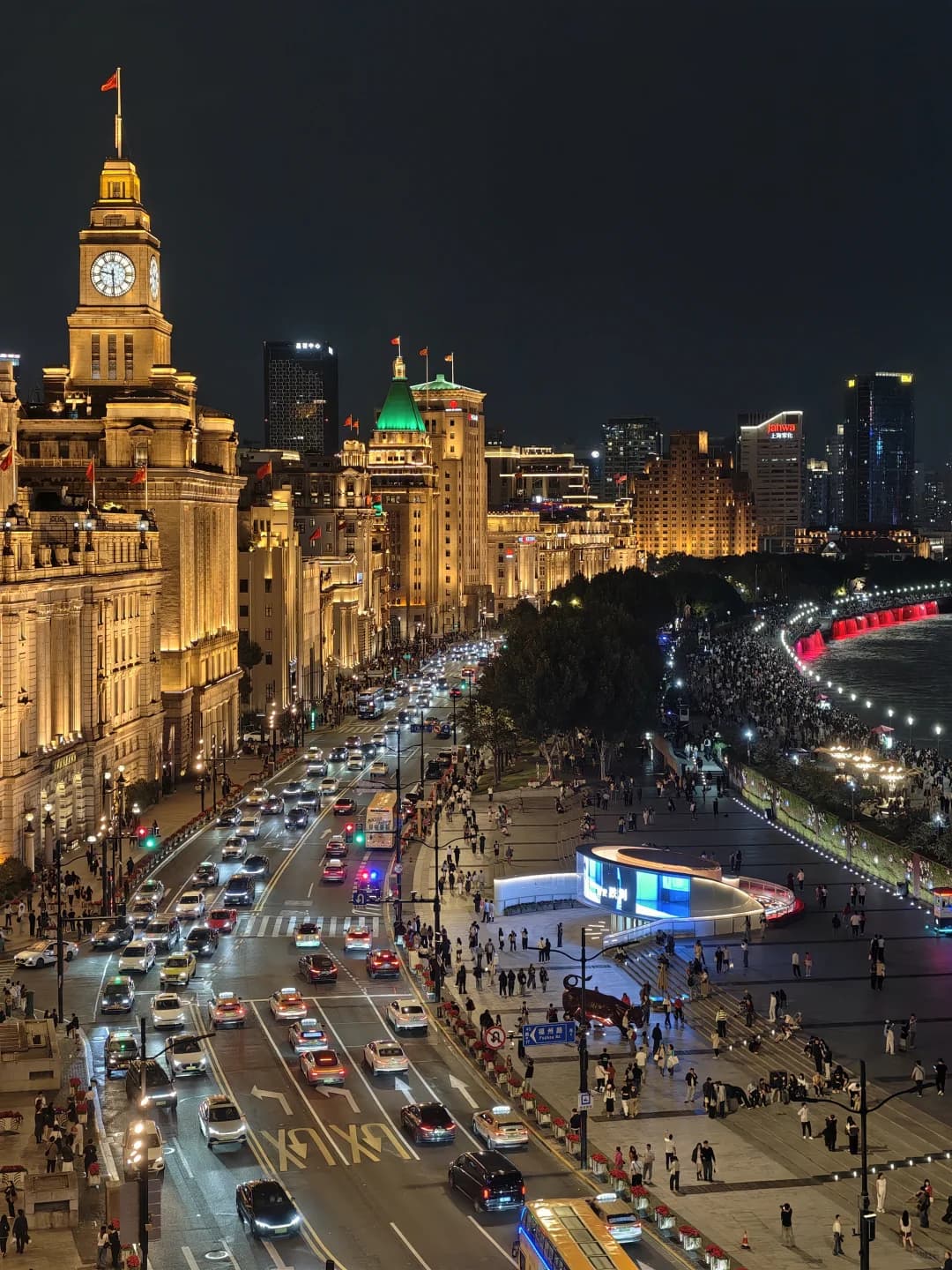
A riverfront of former financial and trading buildings faces the contemporary skyline across the Huangpu.
Caption & source
Read the buildings and the river together
The Bund is a protected historic waterfront on the western bank of the Huangpu River. Its closely grouped buildings once housed financial institutions and trading companies, leaving a streetscape of varied architectural styles rather than one uniform design.
Look for differences in columns, domes, windows and rooflines, then turn toward the river to see how the open promenade frames the opposite bank. The relationship between the historic façades, working river and Pudong skyline explains much of the Bund’s visual power.
Sources & photograph credits
Background and reading notes adapted from the sources below. Photographs are credited to their original authors.
- The Bund
Shanghai Municipal Government · Checked
Protected waterfront setting, former financial and trading buildings, architectural variety and public promenade. Visual comparisons are editorial.
Shanghai · Shopping streets & commercial culture
East Nanjing Road
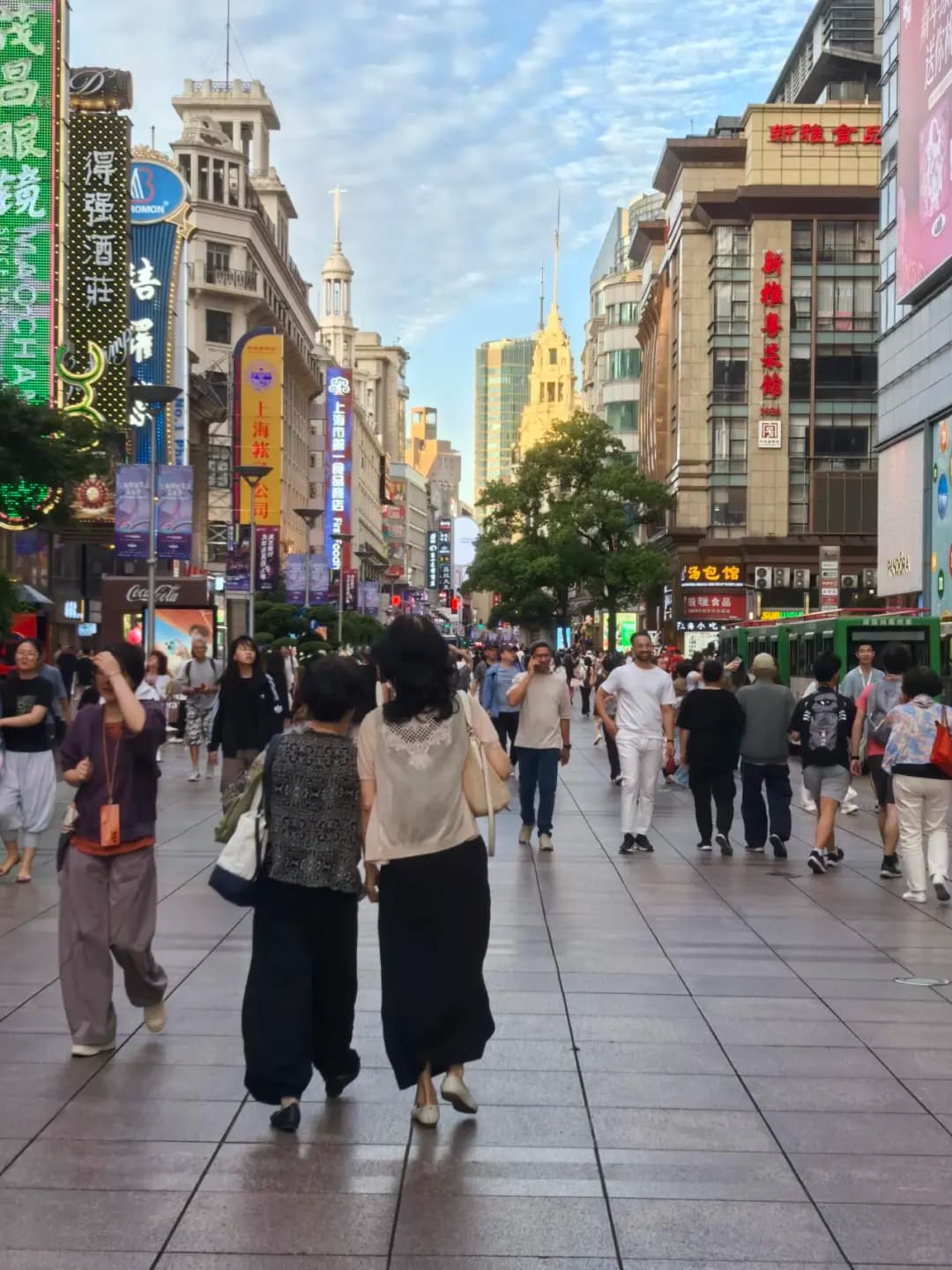
Department stores, shop windows and older food brands make commerce a visible part of the city’s culture.
Caption & source
Look above the shopfronts
East Nanjing Road’s pedestrian shopping district brings traditional department stores together with newer fashion retail and long-established food brands. Its public life is shaped by browsing, meeting and moving between shopfronts as much as by any one building.
Notice how larger façades sit above the changing signs and window displays at street level. The contrast reveals a commercial street that keeps adapting while retaining recognisable older forms. Food-shop displays add another layer of local memory to this busy urban setting.
Sources & photograph credits
Background and reading notes adapted from the sources below. Photographs are credited to their original authors.
- Nanjing Road Pedestrian Street
Shanghai Municipal Government · Checked
The pedestrian shopping street, traditional and contemporary department stores, and long-established snack brands. Architectural reading is editorial; no purchase is arranged.
Shanghai · Classical garden & framed views
Yu Garden
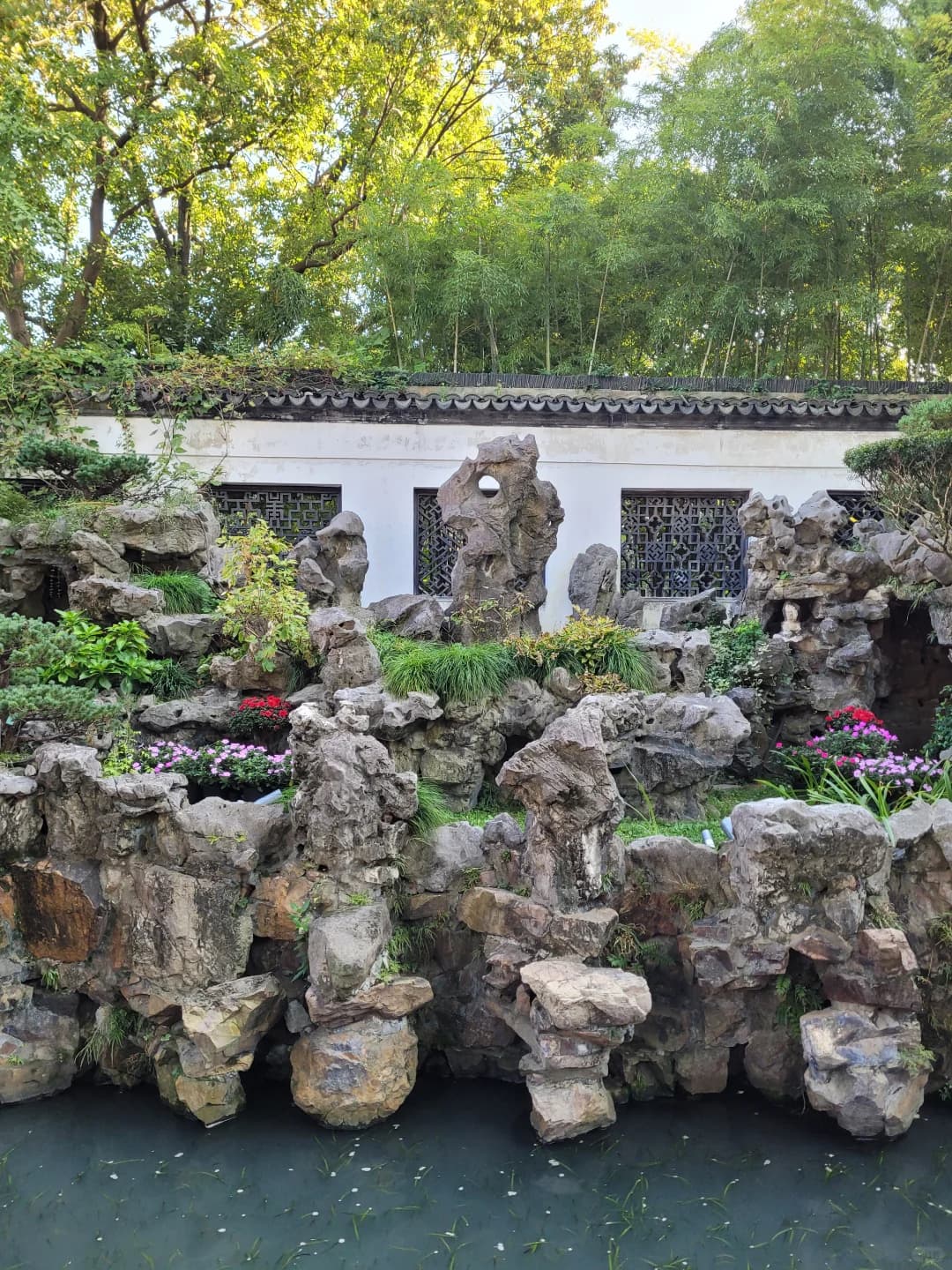
Rocks, water, pavilions and walls compose a changing series of enclosed views.
Caption & source
Find the landscape within a small space
Yu Garden began as a private garden in the Ming dynasty. Its Jiangnan-style landscape brings together pavilions, ponds, rocks, bridges and dividing walls, creating many distinct settings within a relatively compact urban site.
Notice how a doorway or opening frames only part of the next scene, and how rocks change scale beside water and buildings. The design works through successive reveals rather than one complete view. Small shifts of position can change the relationship between foreground and background.
Sources & photograph credits
Background and reading notes adapted from the sources below. Photographs are credited to their original authors.
- Exploring Shanghai’s Jiangnan-style gardens
Shanghai Municipal Government · Checked
Ming private-garden origins, Jiangnan character and the combination of pavilions, ponds, rockwork, bridges and walls. Observation suggestions are editorial.
Shanghai · Neighbourhood streets & commercial life
Shanghai old town
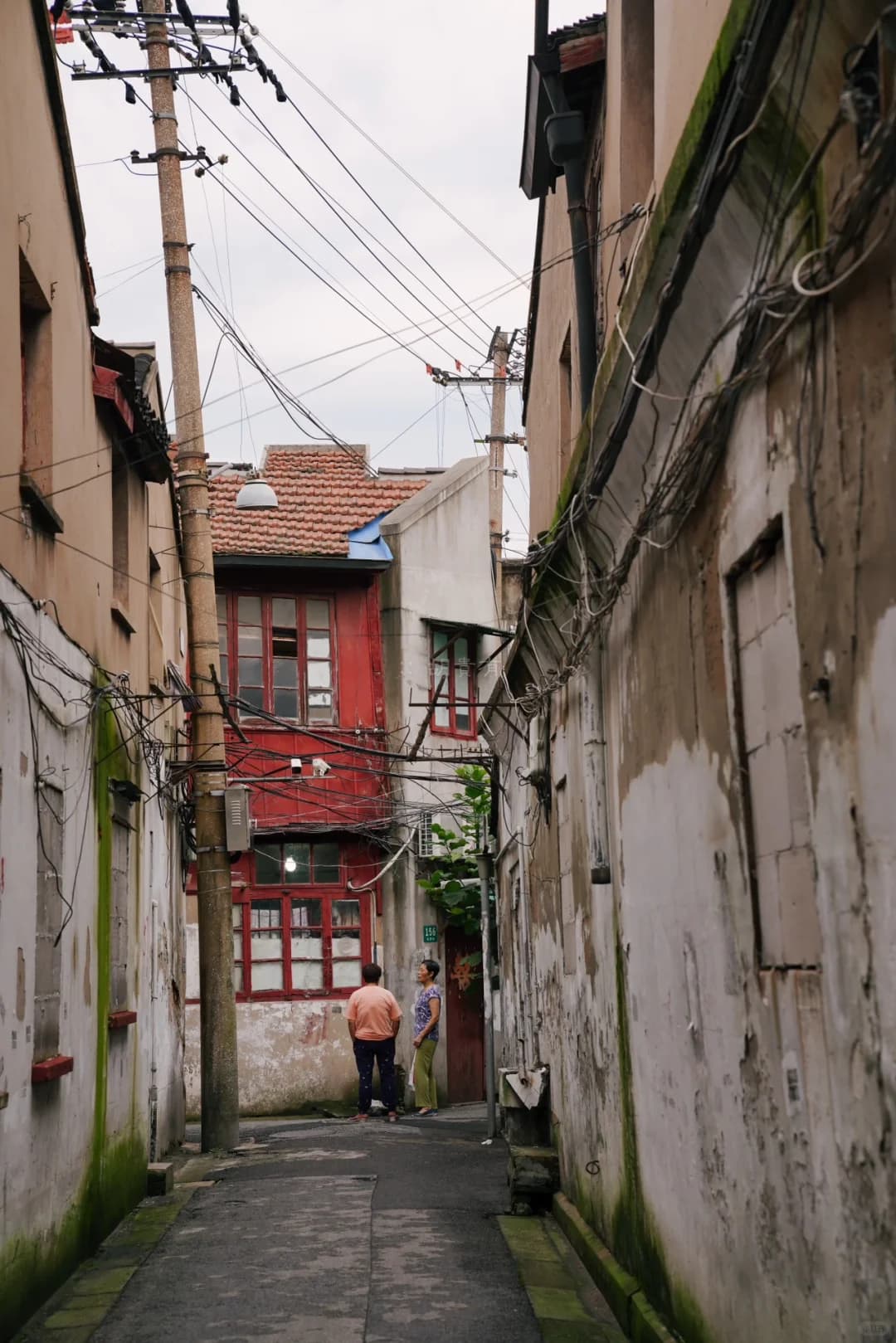
The streets around Yu Garden reveal the close relationship between gardens, markets and the older city.
Caption & source
Look at the neighbourhood beyond the garden
Shanghai’s old-town area around Yu Garden grew around a relationship between residential streets, the garden and a marketplace associated with the City God Temple. Shops and food businesses remain important to the area’s public identity.
Notice the change in scale between narrow lanes and larger commercial spaces, and between roof forms and the modern city visible beyond them. This is a changing urban district, where renewed shopping areas and older buildings sit close together rather than forming one untouched historical scene.
Sources & photograph credits
Background and reading notes adapted from the sources below. Photographs are credited to their original authors.
- Massive renewal project launched for city’s iconic Yuyuan Garden Malls
Shanghai Municipal Government · Checked
The old town’s relationship with Yu Garden, temple-market commerce, residential lanes and urban renewal. The chapter does not add entry to the City God Temple or a named residential site.
Shanghai · Public waterfront & skyline
Lujiazui riverfront
The Pudong riverbank offers a ground-level view of the city beneath the towers.
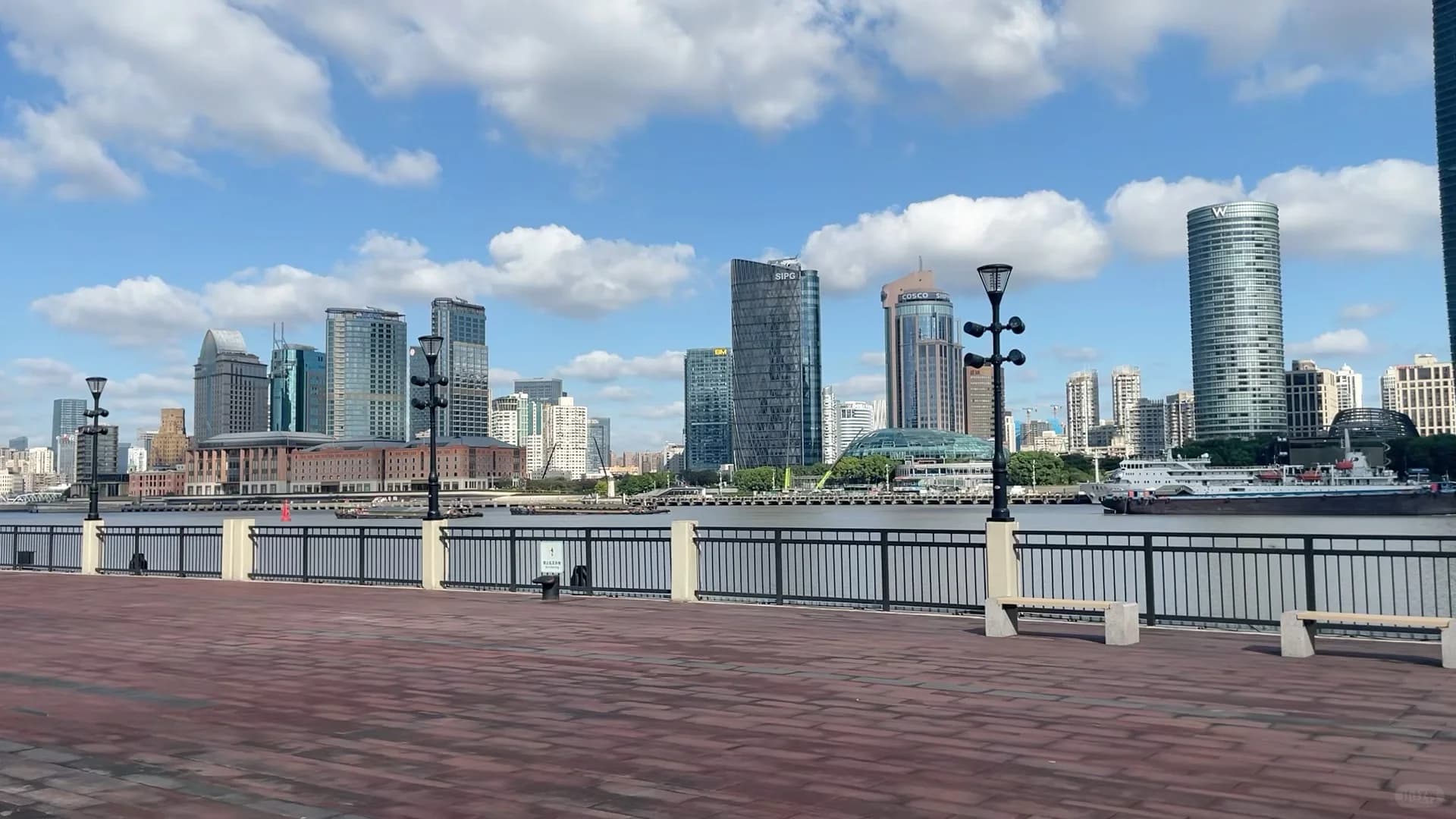
Caption & source
See the skyline from the public landscape
Lujiazui lies on the Pudong side of the Huangpu River, where public waterfront paths connect green spaces with views across to the Bund. The riverfront is part of a wider landscape for walking, recreation and everyday city life.
Notice how the scale changes between the towers behind you and the people, planting and paths beside the water. Looking across the river makes the Bund’s lower historic buildings easier to compare with Pudong’s vertical skyline. The waterfront itself is the focus of this chapter.
Sources & photograph credits
Background and reading notes adapted from the sources below. Photographs are credited to their original authors.
- Explore spring in Shanghai on three stunning cycling routes
Shanghai Municipal Government / Shanghai Municipal Administration of Culture and Tourism · Checked
Public waterfront greenway through Lujiazui, the Huangpu setting and views toward the Bund. No cycling activity or observation-tower visit is prescribed.
Shanghai · Chinese art & material culture
Shanghai Museum East
Bronzes, ceramics, calligraphy and other art forms bring a long cultural history into contemporary Pudong.
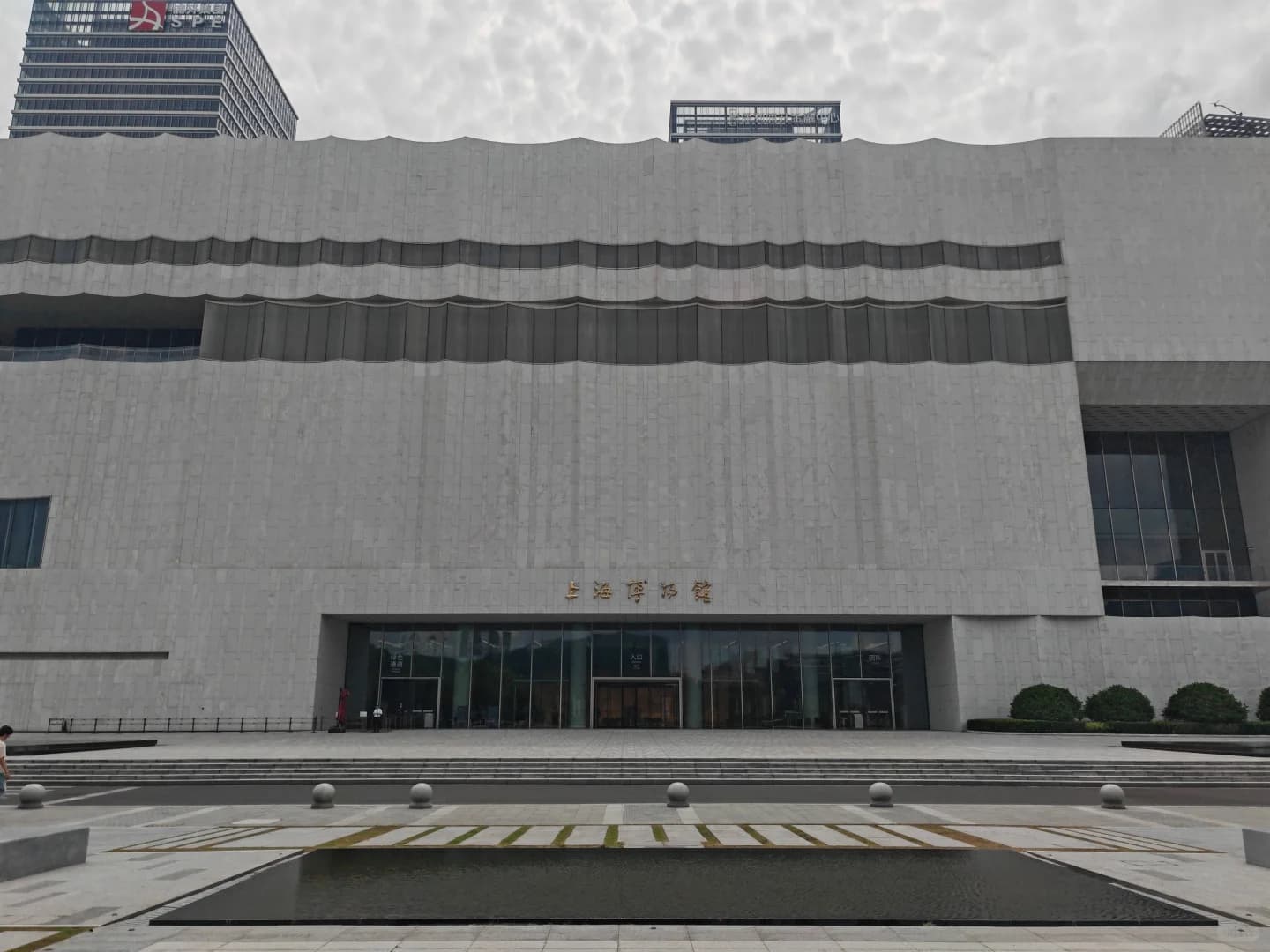
Caption & source
Compare what different materials can express
Shanghai Museum East on Century Avenue focuses on ancient Chinese art. Its permanent galleries cover fields including bronze, ceramics, calligraphy, painting, seals, jade and coins, with additional attention to Shanghai and Jiangnan culture.
Compare the weight and pattern of bronze forms with the surfaces of ceramics, then notice how brushwork communicates through line. Materials offer a useful way into unfamiliar periods. The museum adds the scale of a carefully made object to a district often understood through large buildings.
Sources & photograph credits
Background and reading notes adapted from the sources below. Photographs are credited to their original authors.
- About the Museum: The Shanghai Museum East
Shanghai Museum · Checked
Century Avenue location, focus on ancient Chinese art, permanent gallery fields and Shanghai/Jiangnan cultural scope. No named temporary display or particular object on view is promised.
Shanghai · Everyday transport & river views
Huangpu public ferry
A public crossing reveals the Huangpu as part of daily urban life as well as a famous view.
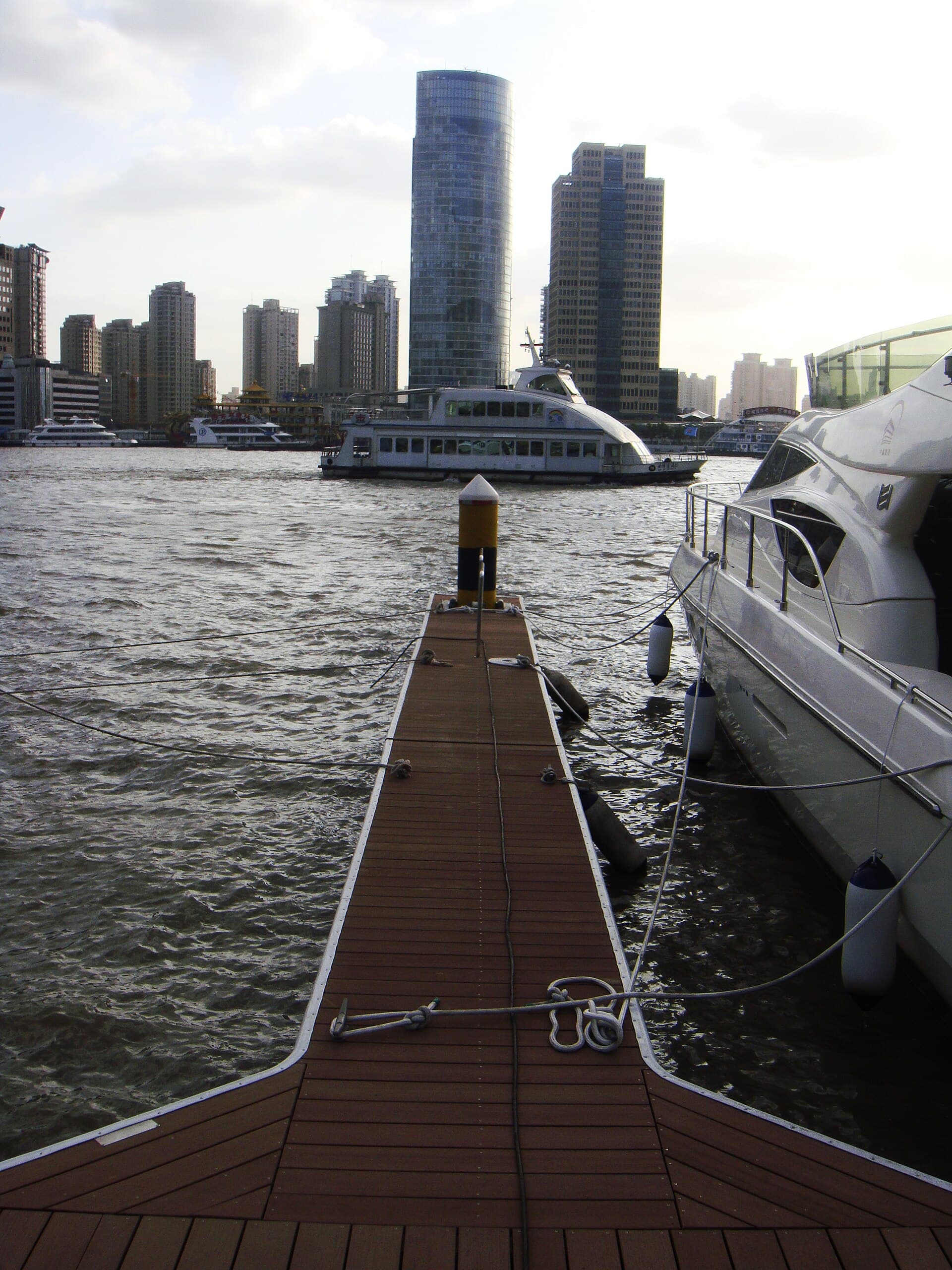
Caption & source
Watch the relationship between the two banks
Public ferries connect Puxi and Pudong across the Huangpu River and have been part of Shanghai’s transport history for more than a century. They share the river with other working vessels, keeping the waterfront connected to everyday movement.
From the water, notice how the scale and spacing of the buildings change as each bank moves nearer or farther away. The historic Bund and modern Pudong form parts of one city landscape. This chapter describes a public crossing, without assigning a particular pier or sightseeing-cruise service.
Sources & photograph credits
Background and reading notes adapted from the sources below. Photographs are credited to their original authors.
- Exploring Shanghai by boat
Shanghai Municipal Government / Shanghai Municipal Commission of Transport · Checked
The Puxi–Pudong ferry connection, its century-long transport history and the distinction between public ferry and sightseeing cruise. No specific line, departure, fare or onboard facility is promised.
Shanghai · Contemporary architecture & vertical city
Shanghai Tower
A spiralling glass form gives the Pudong skyline a distinctive vertical landmark.
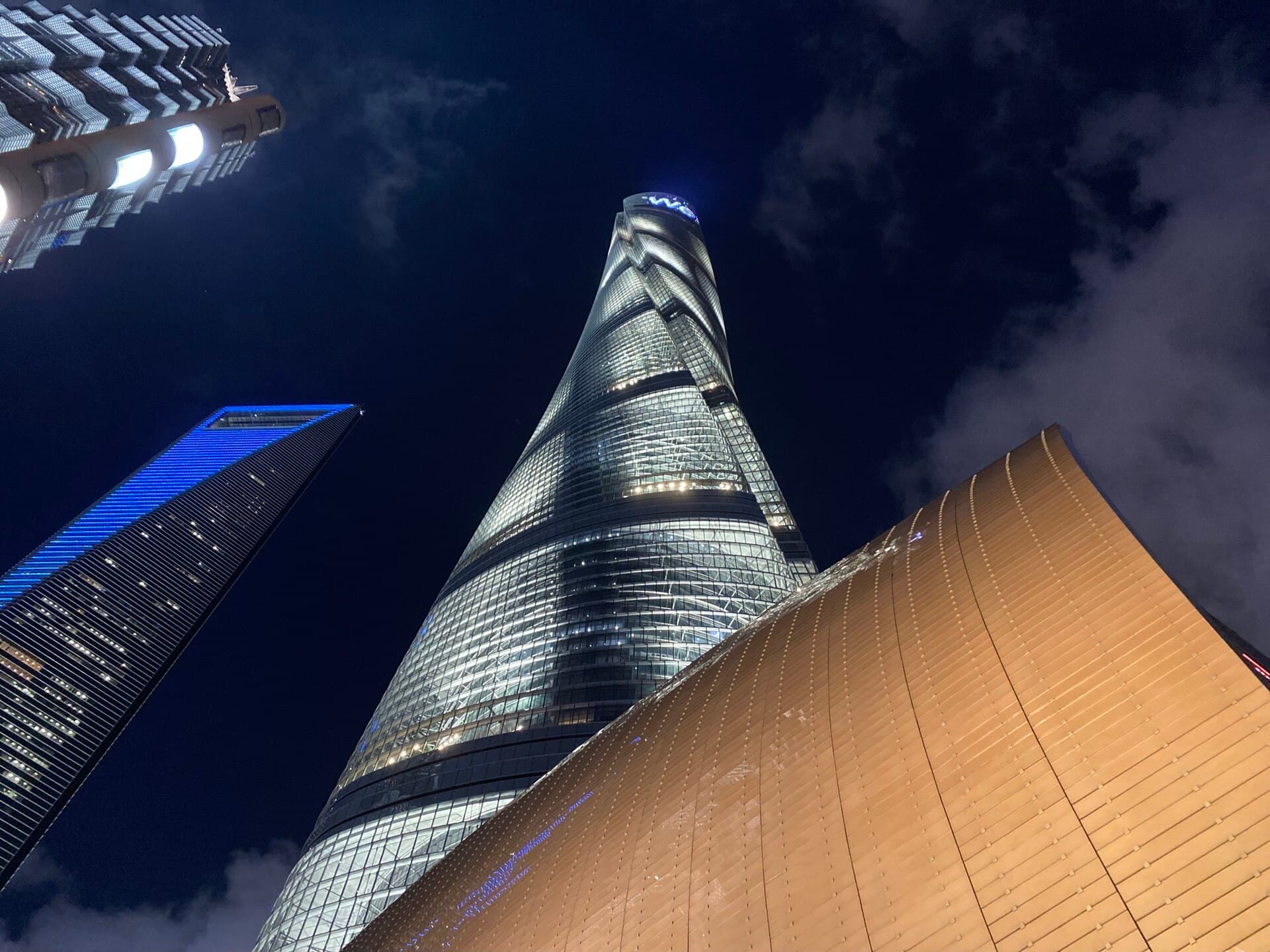
Caption & source
Look at the design as well as the height
Shanghai Tower rises 632 metres and combines offices, hotel, cultural and commercial spaces within one building. Designed by Gensler, its spiral form reduces wind loads, while a double-layer façade contributes to the building’s energy performance.
Notice how the silhouette turns as it rises and how its layered glass differs from a flat façade. The design connects an image of vertical growth with the practical work of managing wind and climate. Its exterior form offers a way to read the tower without assuming any particular internal experience.
Sources & photograph credits
Background and reading notes adapted from the sources below. Photographs are credited to their original authors.
- Shanghai Tower
Gensler, project architect · Checked
Height, mixed uses, spiral form, wind-load response and double-skin façade. The chapter does not turn an unspecified optional high-rise visit into a fixed Shanghai Tower ascent.
Shanghai · Gothic brickwork & an open square
Xujiahui Cathedral
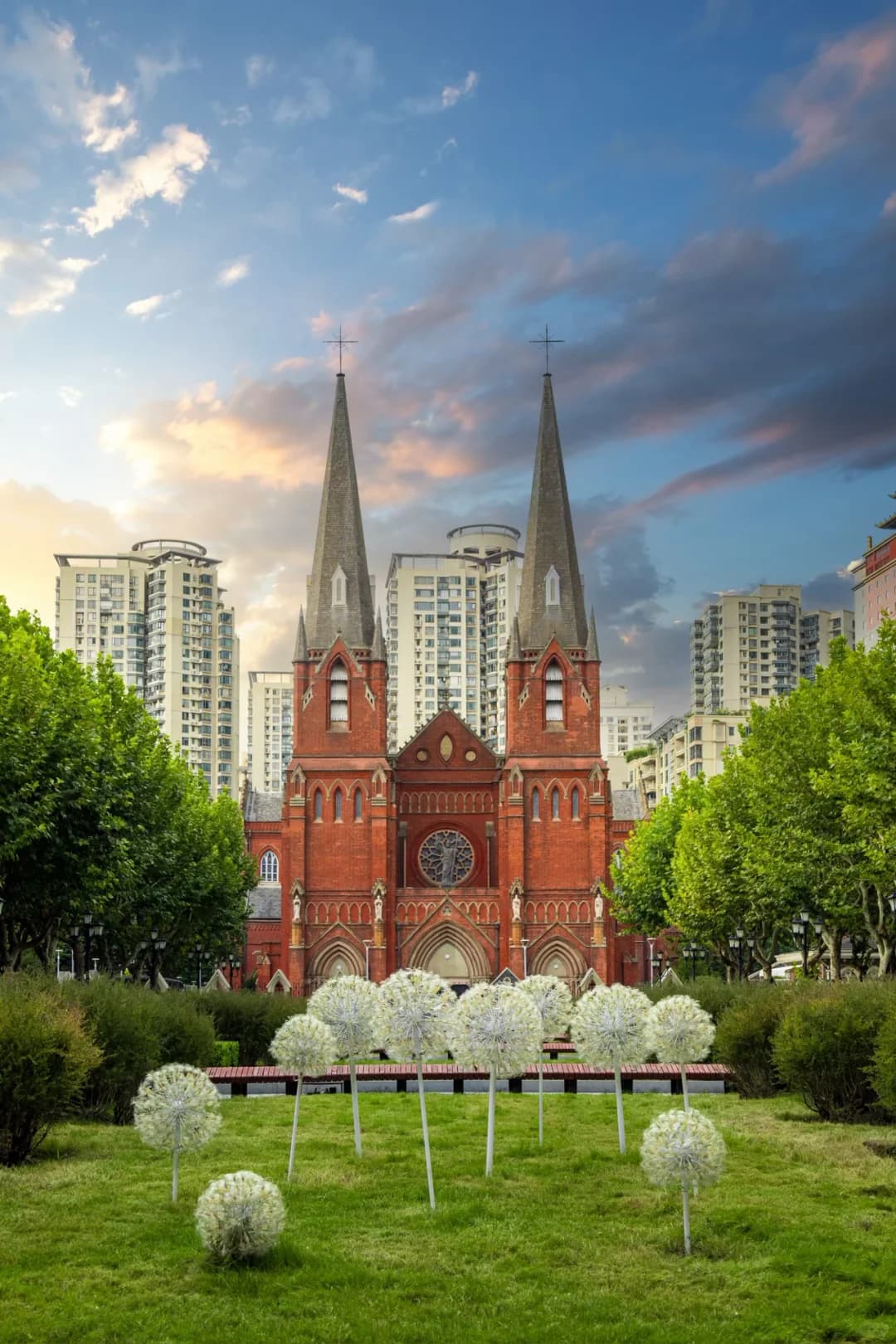
Twin spires and red brick make Xujiahui Cathedral a distinctive landmark within the surrounding neighbourhood of libraries, schools and busy streets.
Caption & source
Read the facade from the square
Also known as St. Ignatius Cathedral, the church was built between 1906 and 1910. Its twin spires, pointed arches and rose windows are characteristic features of its Gothic design.
The red brick facade and pale stone detailing are easier to appreciate with a little distance. The open square gives the towers room to stand out, while trees soften the edge between the church and the surrounding city.
A moment to look upward
The appeal is in the proportions: narrow spires above a broad entrance, repeated arches, and windows that lead the eye upward. Changing light gives the brick and stone different emphasis without changing the building’s strong outline.
It is also a functioning church, so the exterior and square offer a complete architectural subject in their own right. Any interior visit should follow the church’s current arrangements and the needs of worshippers.
Sources & photograph credits
Background and reading notes adapted from the sources below. Photographs are credited to their original authors.
- Xujiahui Cathedral
Shanghai Municipal Administration of Culture and Tourism · Checked
St. Ignatius name, 1906–1910 construction, Gothic twin spires, pointed arches, red brick, stone and rose windows.
- 徐汇引导宗教场所践行宗教中国化
Shanghai Municipal Bureau of Ethnic and Religious Affairs · Checked
Church square, public green space and surrounding historical buildings.
- 人生建议❗️拍完这1️⃣8️⃣张图再离开上海
尔祥君📷 / Xiaohongshu · Checked
The body explicitly identifies image 9 as Xujiahui Cathedral; the inspected photograph supports facade and square observations.
- 讲讲上海景点的真实感受(吃住行全攻略)✨
静静嗨皮日记 / Xiaohongshu · Checked
A loaded reader comment recommends seeing Xujiahui Cathedral; this is supplementary to the building facts and photograph.
Shanghai · Steel geometry at the river junction
Waibaidu Bridge
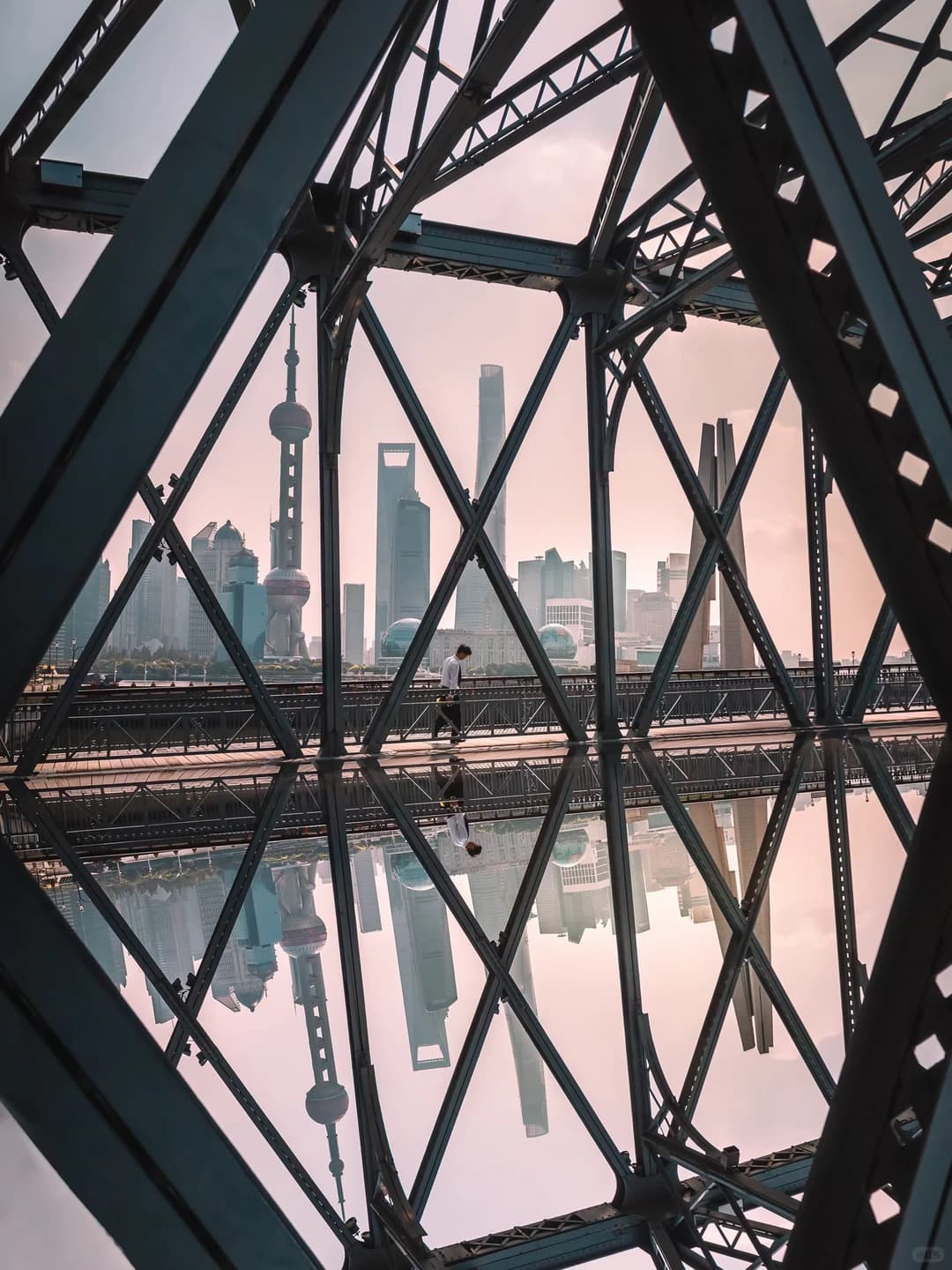
Waibaidu Bridge frames Shanghai through its steelwork: old engineering in the foreground, river traffic and a changing skyline beyond.
Caption & source
A bridge with a clear structure
Dating to 1907, Waibaidu Bridge crosses Suzhou Creek near its meeting with the Huangpu River. Its all-steel structure and arched truss profile make it a recognisable landmark at the northern end of the Bund.
From the pedestrian path, diagonal beams turn the city into a sequence of frames. Looking through them makes the structure itself part of the view, rather than merely a place from which to photograph something else.
Two scales of Shanghai in one view
The attraction is the meeting of scales: riveted steel close by, the waterway below, and much taller buildings in the distance. The bridge gives a compact sense of Shanghai’s long relationship with its rivers and newer skyline.
Soft light can bring out the repeating geometry particularly well, but the bridge is also a working crossing. Enjoy the changing views from the pedestrian space and leave room for people passing through.
Sources & photograph credits
Background and reading notes adapted from the sources below. Photographs are credited to their original authors.
- Get to know Shanghai’s mother river and historic bridges
Shanghai Municipal Government · Checked
1907 all-steel camel-back truss bridge on Suzhou Creek, river and Lujiazui skyline views.
- 人生建议❗️拍完这1️⃣8️⃣张图再离开上海
尔祥君📷 / Xiaohongshu · Checked
Numbered body identifies image 3 as Waibaidu Bridge; the inspected steelwork framing supports the visual description.
- 讲讲上海景点的真实感受(吃住行全攻略)✨
静静嗨皮日记 / Xiaohongshu · Checked
Note body describes the historic bridge and sunset skyline as a cinematic architectural scene; rewritten without promising light conditions.